Embryonic stem cells are cells that are derived from embryos. They have the potential to get transformed to any desired organ.
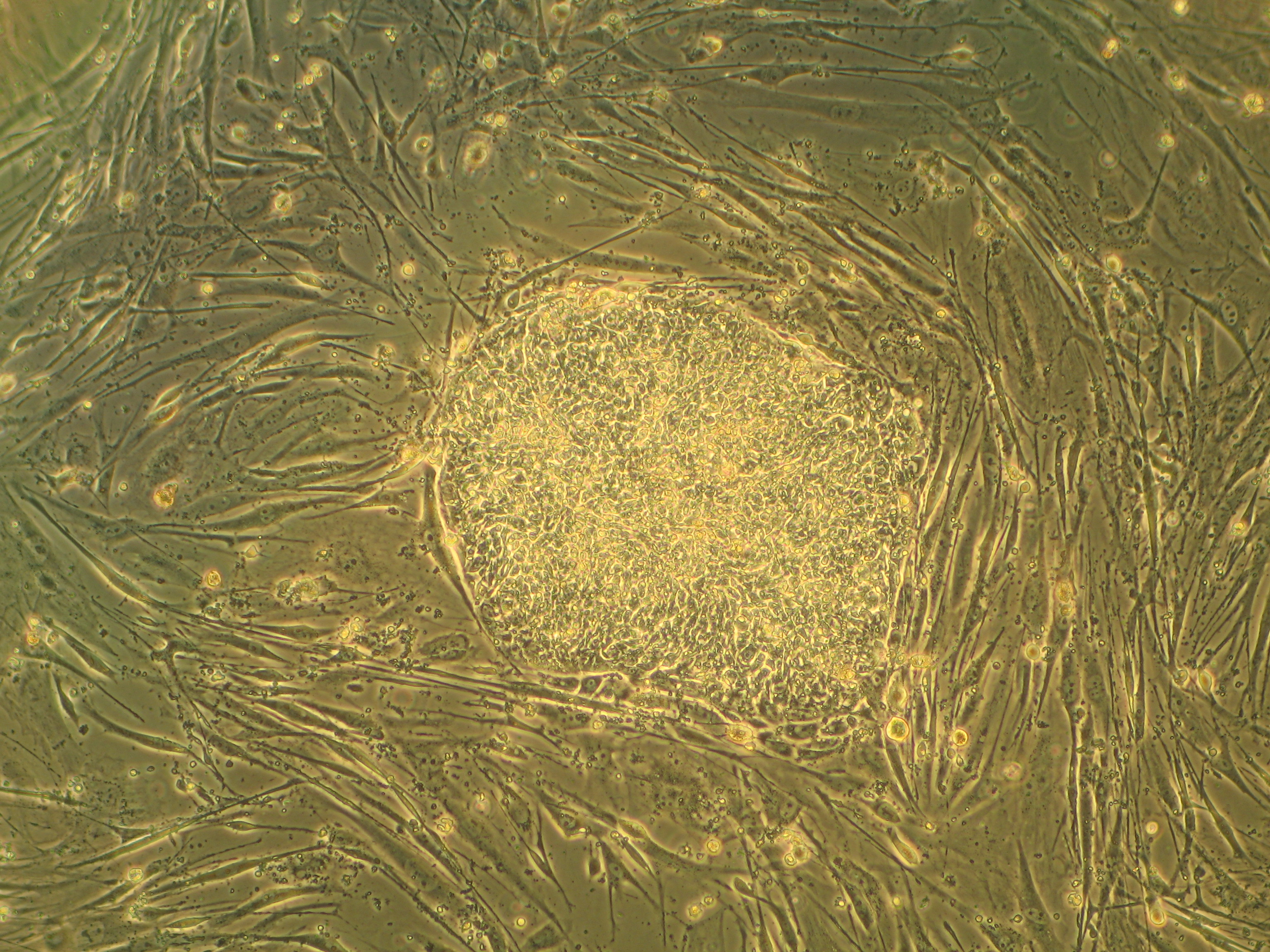
In human beings when the fertilization is successful between an egg and a sperm a fertilized egg called zygote is formed. This first divides into two then 4 and so on. Now the embryonic cells are totipotent which means it is capable of giving rise to an entire organism itself. They are also capable of forming extra embryonic supporting tissues like placenta. After five to seven days a multicellular ball of cells called a blastocyst is formed. This blastocyst consists of mass of undifferentiated cells inside it. It looks like a hollow ball made up of two types of cells namely the outer layer of cells called tropoblast which forms the placenta and the inner cluster of cells know as inner cell mass which forms the embryo. This inner cell mass consists of embryonic stem cells. These embryonic cells are no longer totipotent but still pluripotent meaning they are capable of forming all the organs which comprises a human being. But they are not capable of forming placenta or fetus.
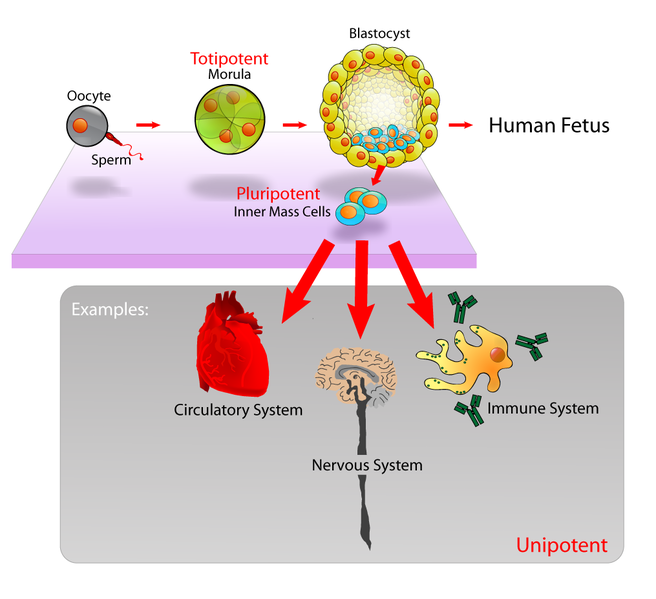
There are two key features of embryonic stem cells: pluripotency and the ability to self renew while retaining their undifferentiated pluripotent state.
The sources of embryonic stem cells are in vitro fertilization and nuclear transfer.
In vitro fertilization (IVF) is the largest source of blastocysts. In vitro fertilization takes place in special clinics where blastocysts are created and given to doctors and scientists for research purpose. These blastocysts are actually created by taking the women’s egg after treatment with strong fertility drugs. Following this procedure eggs are fertilized and grown to blastocysts. This would assist the isolated stem cells with specific genetic traits necessary for the study of particular diseases. IVF can produce all cell types which are relatively easy to identify, isolate, maintain and grown in the laboratory. One limitation of IVF’s is the risk of creating teratomas. Ethical concerns of IVF’s destruction of human blastocysts and donation of blastocysts requires informed consent.
Nuclear transfer is another source of embryonic stem cells. A nucleus from a differentiated adult cell such as a skin cell is transferred into a donated egg from which the nucleus is already removed. This egg is further stimulated to transform into a blastocyst which contains the genetic material of the skin cell and can be used as a source of embryonic stem cells. The embryonic stem cells created this way are copies or clones of the original adult cell because their nuclear DNA matches that of the adult cell. The nuclear transfer can produce all cell types. These cells are relatively easy to identify, isolate, maintain and grown in the laboratory and more over they can be genetically matched to patient. Limitations for this experiments remains, like the risk of creating tumors (teratomas) or ethical concerns regarding the destruction of human blastocysts. Donation of eggs requires informed consent and it raises concerns on miss application for reproductive cloning.
Embryonic stem cells are the basic blocks of human life and all in one, have numerous benefits: they help us read defects, identify disorders and genetic problems. We can add that the use of stem cells reduce the number of animals killed during medical experiments.
In human beings when the fertilization is successful between an egg and a sperm a fertilized egg called zygote is formed. This first divides into two then 4 and so on. Now the embryonic cells are totipotent which means it is capable of giving rise to an entire organism itself. They are also capable of forming extra embryonic supporting tissues like placenta. After five to seven days a multicellular ball of cells called a blastocyst is formed. This blastocyst consists of mass of undifferentiated cells inside it. It looks like a hollow ball made up of two types of cells namely the outer layer of cells called tropoblast which forms the placenta and the inner cluster of cells know as inner cell mass which forms the embryo. This inner cell mass consists of embryonic stem cells. These embryonic cells are no longer totipotent but still pluripotent meaning they are capable of forming all the organs which comprises a human being. But they are not capable of forming placenta or fetus.
There are two key features of embryonic stem cells: pluripotency and the ability to self renew while retaining their undifferentiated pluripotent state.
The sources of embryonic stem cells are in vitro fertilization and nuclear transfer.
In vitro fertilization (IVF) is the largest source of blastocysts. In vitro fertilization takes place in special clinics where blastocysts are created and given to doctors and scientists for research purpose. These blastocysts are actually created by taking the women’s egg after treatment with strong fertility drugs. Following this procedure eggs are fertilized and grown to blastocysts. This would assist the isolated stem cells with specific genetic traits necessary for the study of particular diseases. IVF can produce all cell types which are relatively easy to identify, isolate, maintain and grown in the laboratory. One limitation of IVF’s is the risk of creating teratomas. Ethical concerns of IVF’s destruction of human blastocysts and donation of blastocysts requires informed consent.
Nuclear transfer is another source of embryonic stem cells. A nucleus from a differentiated adult cell such as a skin cell is transferred into a donated egg from which the nucleus is already removed. This egg is further stimulated to transform into a blastocyst which contains the genetic material of the skin cell and can be used as a source of embryonic stem cells. The embryonic stem cells created this way are copies or clones of the original adult cell because their nuclear DNA matches that of the adult cell. The nuclear transfer can produce all cell types. These cells are relatively easy to identify, isolate, maintain and grown in the laboratory and more over they can be genetically matched to patient. Limitations for this experiments remains, like the risk of creating tumors (teratomas) or ethical concerns regarding the destruction of human blastocysts. Donation of eggs requires informed consent and it raises concerns on miss application for reproductive cloning.
Embryonic stem cells are the basic blocks of human life and all in one, have numerous benefits: they help us read defects, identify disorders and genetic problems. We can add that the use of stem cells reduce the number of animals killed during medical experiments.

 RSS Feed (xml)
0 comments:
Post a Comment