Sunday, November 22, 2009
Harnessing the Power of Stem Cells
Wednesday, November 18, 2009
Monkey Teeth Help in the Stimulation of Brain Cells
Monday, October 19, 2009
Parkinson’s Disease Can Soon be Cured
Monday, October 5, 2009
Making Use of Stem Cells as a Means of Treating Male Infertility
Thursday, September 24, 2009
Developing Sperm Used in the Creation of Stem Cells
Wednesday, September 16, 2009
Human Stem Cells Used to Manufacture Red Blood Cells that can Glow
Saturday, September 12, 2009
Stopping cancer stem cells through lung cancer Oncogene
Monday, September 7, 2009
Human cell transplantation is able to prolong survival of mice
Tuesday, September 1, 2009
Gene therapy not the cause of arthritis patient death
Medpage Today published on July 08, 2009 reported a 32 year old women death who participated in the gene trial therapy for rheumatic arthritis. The patient died after 22 days of treatment. This incident has put a halt to all the clinical tests that was going on related to gene therapy. Actually the researchers were testing a drug named experimentally as tgACC94. This drug is based on the recombinant adeno-associated virus (AAV) derived vector. It carries the tumor necrosis factor receptor (TNF-receptor) gene to block the inflammation.
Elizabeth L.Hohman, MD, of partners human research committee in
Sunday, August 30, 2009
Nanoparticles combined with 'suicide' genes slowed ovarian tumor growth
It is very good to hear that nanoparticles have slowed ovarian tumor growth in mouse experiments since it might help one day many women suffering from late stage ovarian cancer. Ovarian tumor growth was a big issue for the past years though the ovarian tumor at initial stages was treated surgically followed by chemotherapy the treatment for ovarian cancer in advanced stages had no effective results. It is disproportionately deadly because it lacks any clear early detection or screening, meaning they are diagnosed only after they have reached advanced stages. Over 75% of ovarian cancers are diagnosed at an advanced stage. Currently the treatment for ovarian cancer is give by chemotherapy but in many cases the cancer returns back and there are no good therapies for recurring and advanced stage ovarian tumors. This new treatment reported by July 31 issue science daily, delivers a gene that produces the diphtheria toxin, which kills cells by disrupting their ability to manufacture proteins. This toxin is normally produced by cornynebacterium diphtheriae. The other good thing about this treatment on advanced ovarian tumor growth unlike chemotherapy which acts on both good and bad cells is that it acts only on the infected tumor cells leaving back the good ones said the lead researcher Janet Sawicki, Ph.D., a professor at the Lankenau institute for medical research. It is also said that Sawicki along with her team experimented the efficiency of cationic biodegradable beta-amino ester polymer as a vector for the nanoparticle delivery of a DNA encoding diphtheria toxin suicide gene. They are called poly beta amino esters because they are the new nanoparticles and are made with positively charged, biodegradable polymers known as poly beta amino esters. When mixed together, these polymers can spontaneously assemble with DNA to form nanoparticles. The polymer-DNA nanoparticle can deliver functional DNA when injected into or near the targeted tissue. These were injected into mice with ovarian tumors. The result was not happy so the team again did the management of nanoparticles in three different mouse models. This showed a very good suppression of tumor size with minimal non-specific cytotoxcity. It did not have toxic effects of chemotherapy because the gene is engineered to be over expressed in ovarian cells but is inactive in other cell types.
mucinous ovarian tumour (source: wikipedia)
The main thing about treating this advanced stage ovarian cancer is that finding the target where these cancerous cell prevail was very difficult said Edward Sausville, M.D., Ph.D., an associate editor of cancer research and associate director for clinical research at the Greenebaum Cancer Center at the University of Maryland who is working in the Oncology department studying ways to kill tumors for a long time. But now Sausville is happy that this new method of treating ovarian cancer can find the target in many different ways.
In count to ovarian cancer, these nanoparticles have demonstrated potential for treatment of a variety of diseases, including prostrate cancer and viral infection. In future studies the team has plans to examine the effectiveness of nanoparticle-delivered diphtheria genes in other types of cancer, including brain, lung and liver cancers.
Saturday, August 29, 2009
Adult stem cells
Adult stem cells are stem cells that are found in the tissues of organ in developed human beings. These cells are deep hidden within organs and are surrounded by millions of cells. The adult stem cells help in development and regeneration of the organ in which they are found. The term adult is used to indicate that these stem cells are further along the path of differentiation than are embryonic stem cells. Scientists use the term somatic stem cell instead of adult stem cell where somatic refers to cells of body.
Bone marrow mesenchymal stem cells
The adult stem cells are mutipotent, meaning they are able to produce a limited range of specialized cells, for example the various kinds of blood cells, bone cells, or muscle cells. The adult haematopoietic and the blood forming stem cells that are found in bone marrow are used in various transplants for 40 years. There are two types of stem cells that were found nearly fifty years ago in the bone marrow they are haematopoietic stem cell and mesenchymal stem cell. The haematopoietic stem cell helps is the formation of blood cells of the human body system and the mesenchymal also know as the bone marrow stromal stem cell make up a small proportion of the stromal cell population in the bone marrow and they can generate bone, cartilage, cells that support blood formation and connective tissue .Now several stem cells are found in human system namely dental pulp derived stem cells, haematopoietic stem cells, mammary stem cells ,mesenchymal stem cells, endothelial stem cells, neural stem cells, olfactory stem cells and testicular stem cells.
From 1960’s to 1990’s many scientists believed that adult brain does not have stem cells but it was said wrong .in later 1990’s scientists agreed that the brain contains stem cells and also the three major types of brain cells namely astrocytes, oligodendrocytes and neurons can be generated from these stem cells.
These adult stem cells are thought to reside in a specific area in the tissue called the stem cell niche. The adult stem cells are very difficult to maintain and grow in culture. Once the adult stem cells are taken out of the human body the speed of multiplying and growing of these cells gets reduced. Scientists are on research to find ways by which they can grow and multiply these cells so that it can help us in injuries or diseases.
The adult stem cell has a wide advantage in therapeutic applications of stem cells. That is as with the help of stem cells several organs of the same type can be replicated, these organs can be used in the testing of various medicines this helps the pharmaceuticals to know the side effects and characteristics of the medicines. The attributes of adult stem cells are demonstrated success in some treatments and stem cells may be genetically matched to patient. The limitations of adult stem cells are they produce limited number of cell types, they are not found in all tissues and difficult to identify, isolate, maintain and grow in the laboratory.
Adult stem cells are very success in curing leukemia and bone marrow transplants. It is so evident that in future with the help of this stem cell we can cure all diseases that are said to be incurable now.
Friday, August 28, 2009
Gene Therapy, new hope for Patients with Hereditary Lung Disease
Science daily reported on august 11th 2009 stated that the Researchers at the University of Massachusetts Medical School and the University of Florida in Gainesville has done wonderful job in the gene therapy trial of boosting protective protein in patients with hereditary lung disease. They have proved to be successful by giving new functional genes to patients who have this hereditary gene problem and the results are positive. This is very good news for people suffering from hereditary lung disease and also this news will bring a good hope in those people. The most interesting news about this therapy is that with just one series of injections our bodies will be able to produce the alpha-1 protein we need till our life time unlike the current existing therapies. The main reason for hereditary lung disease is due to the deficiency of alpha-1 antitrypsin. The people suffering from deficiency of alpha-1 antitrypsin are easy to get affected by any allergies from air as they are not able to produce protein alpha-1 antitrypsin which is normally produced by the liver to protect the various infections that affect the lungs.
The clinical test was practiced in few patients who were affected by this deficiency. An injection of alpha-1protein was given to them in their deltoid muscle in their upper arm. Till one year they were able to produce noticeable amount of alpha-1 antitrypsin. Mark L. Brantley, MD, at UF's College of Medicine he is the professor of medicine, molecular genetics and microbiology in addition to that he is the first author of the study who said the deltoid muscle where the injection is given acts as a factory for making the protein that these individuals are missing. Later as a part of their research they divided nine patients into three groups and were given the adeno associated virus which helps in production of alpha-1 protein. All nine Patients were given injections in their upper arms deltoid muscle. Nine injections were given to them .in each group dosage given was varying. These tests took place at the General Clinical Research Center at Shands at UF Medical Center. After one year the replaced gene was doing its work in three patients successfully who were given the maximum dosage.
The researchers were very happy as there was no rejection of the transferred gene in the patient’s body or the protein that is created newly, though the patients showed some high immune response therapy. That is very good development in gene therapy said Brantley. In the UF Genetics Institute he is a member of the Powell Gene Therapy Center and also he is the Alpha-1 Foundation Research Professor at UF and is a consultant for the organization. Walsh said “alpha-1 community is incredibly grateful for the progress that these dedicated investigators have made” Walsh. The Alpha-1 Foundation’s president and chief executive officer is Mr. Walsh and also he has been constantly supporting various researchers and investigations in gene therapy field for many years. Though currently there is some effective injection of alpha-1 protein derived from human plasma for serious breathing symptoms. They don’t really cure the disease they only slow its progression. So the American Lung Association says that the patients should continue the injections throughout their life. So definitely this research is a boon o many people suffering from serious lungs related problems.
Thursday, August 13, 2009
Embryonic stem cells
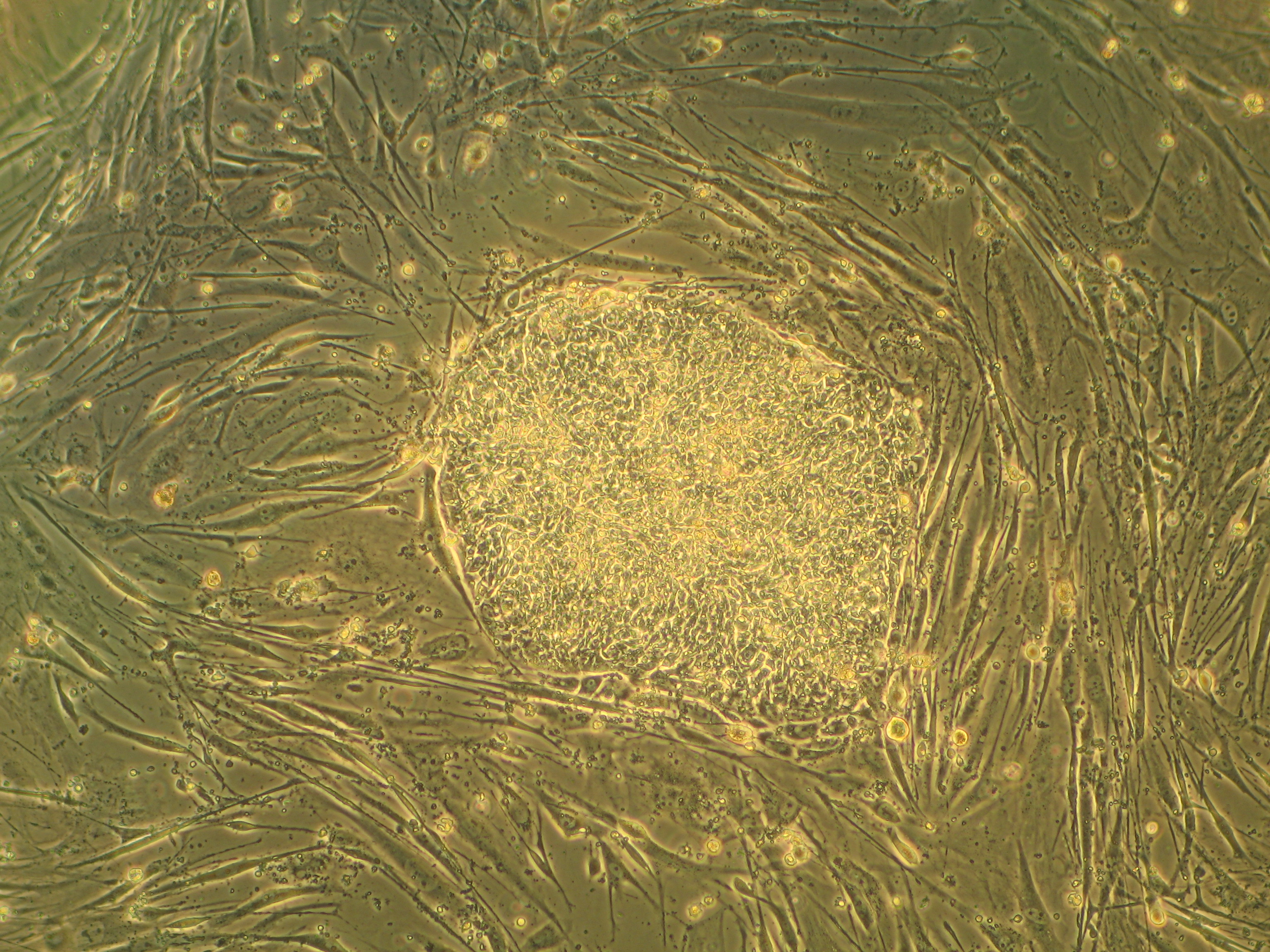
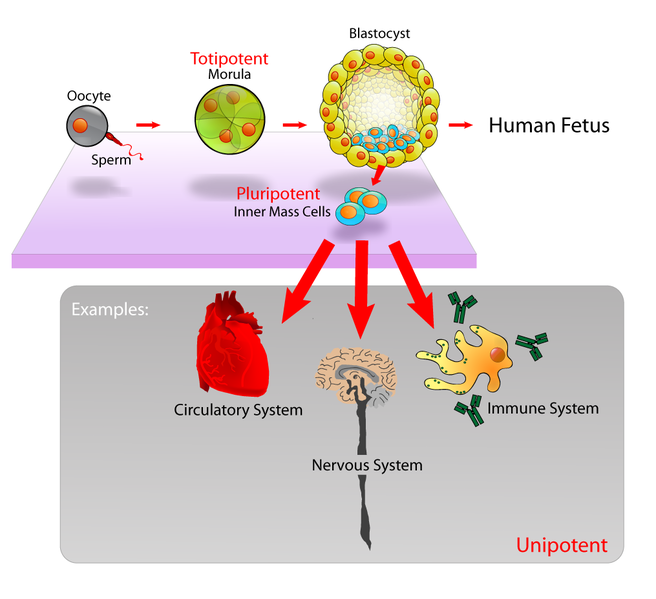
In human beings when the fertilization is successful between an egg and a sperm a fertilized egg called zygote is formed. This first divides into two then 4 and so on. Now the embryonic cells are totipotent which means it is capable of giving rise to an entire organism itself. They are also capable of forming extra embryonic supporting tissues like placenta. After five to seven days a multicellular ball of cells called a blastocyst is formed. This blastocyst consists of mass of undifferentiated cells inside it. It looks like a hollow ball made up of two types of cells namely the outer layer of cells called tropoblast which forms the placenta and the inner cluster of cells know as inner cell mass which forms the embryo. This inner cell mass consists of embryonic stem cells. These embryonic cells are no longer totipotent but still pluripotent meaning they are capable of forming all the organs which comprises a human being. But they are not capable of forming placenta or fetus.
There are two key features of embryonic stem cells: pluripotency and the ability to self renew while retaining their undifferentiated pluripotent state.
The sources of embryonic stem cells are in vitro fertilization and nuclear transfer.
In vitro fertilization (IVF) is the largest source of blastocysts. In vitro fertilization takes place in special clinics where blastocysts are created and given to doctors and scientists for research purpose. These blastocysts are actually created by taking the women’s egg after treatment with strong fertility drugs. Following this procedure eggs are fertilized and grown to blastocysts. This would assist the isolated stem cells with specific genetic traits necessary for the study of particular diseases. IVF can produce all cell types which are relatively easy to identify, isolate, maintain and grown in the laboratory. One limitation of IVF’s is the risk of creating teratomas. Ethical concerns of IVF’s destruction of human blastocysts and donation of blastocysts requires informed consent.
Nuclear transfer is another source of embryonic stem cells. A nucleus from a differentiated adult cell such as a skin cell is transferred into a donated egg from which the nucleus is already removed. This egg is further stimulated to transform into a blastocyst which contains the genetic material of the skin cell and can be used as a source of embryonic stem cells. The embryonic stem cells created this way are copies or clones of the original adult cell because their nuclear DNA matches that of the adult cell. The nuclear transfer can produce all cell types. These cells are relatively easy to identify, isolate, maintain and grown in the laboratory and more over they can be genetically matched to patient. Limitations for this experiments remains, like the risk of creating tumors (teratomas) or ethical concerns regarding the destruction of human blastocysts. Donation of eggs requires informed consent and it raises concerns on miss application for reproductive cloning.
Embryonic stem cells are the basic blocks of human life and all in one, have numerous benefits: they help us read defects, identify disorders and genetic problems. We can add that the use of stem cells reduce the number of animals killed during medical experiments.
Tuesday, August 4, 2009
Stem cells
STEM CELLS
A stem cell is a single cell which has the capability to regenerate into any desired organ.
Stem cells are unspecialized. They don’t have a specialized physiological property.
They have the ability to divide and create self copies of themselves again and again in an organism life time. The main goal of stem cell therapy is to mend damaged tissues that cannot heal themselves.
There are mainly two types of stem cells classification
1) Embryonic stem cell - Embryonic stem cells are the cells that are found in the embryos at a very early stage of development. These embryonic stem cells can be transformed into any desired organ for future use.
2) Adult or Tissue stem cell- Adult stem cells are found in adults hidden deep within organs surrounded by millions of cells. These adult stem cells can be used only for the specific organ which has the tissue containing them.
That is the blood stem cells can give rise to only red blood cells, white blood cells and platelets.
The two key applications of stem cells are:
1) Medical application- Stem cell studies may allow researches to follow how the various diseases and genetic abnormalities initially mark themselves structurally or biologically into cells and tissues. As from single stem cell several organs can be replicated it helps in testing various medicines by the pharmaceuticals and to analyze the characteristics of the medicines in a variety of organs from different human beings so that it provides greater benefits with fewer side effects and also reduce the use of animals in testing purposes.
2) Therapeutic application-as the stem cells can repair and restore any damaged tissues. In this fast moving life almost many people suffer from one degenerative condition or another like Parkinson’s disease, spinal cord injury, stroke, type1 diabetes, heart disease, rheumatoid arthritis, osteoarthritis, kidney disease, blood diseases, blindness, muscular dystrophy, liver disease, loss of teeth and baldness.
it is been believed by many scientists the stem cells will allow the entire organ heart, liver etc to be created and transplanted. Stem cells are also used to treat burnt victims. Instead of locating donor tissues stem cells can be used to produce healthy tissues.
Adult stem cells are already helping in bone marrow transplants and leukemia.
Advantages and disadvantages of embryonic stem cells and adult stem cells
- The embryonic stem cells can be made into any desired organ. Where as an adult stem cell can be made only into the particular organ which contains it. It is also very difficult to obtain in quantity and to maintain in culture.
- The embryonic stem cells can be maintained in any culture.
- The adult stem cell may not be available for all types of cells.
- The adult stem cell has less risk of developing teratomas but whereas the embryonic stem cell is prone to develop teratomas.
- It is very difficult to control the differentiation of embryonic stem cells.
For those suffering from serious diseases stem cells will offer hope and effective treatment or perhaps reversal of the disease. Time will tell us the full success of stem cells therapies to win over many incurable medical conditions.
Sunday, July 19, 2009
President Barack Obama's position on human embryonic stem cells
Monday, July 13, 2009
What is gene therapy?
Types of gene therapy
- Germ line gene therapy
- Somatic gene therapy
Gene therapy methods
- Insertion of a normal gene into the genome to replace a damaged nonfunctional gene
- Swapping of an abnormal gene with a normal one through homologous recombination
- Repairing a defective gene thorough selective reverse mutation
- Alteration of gene regulation (how is gene expressed)
Vectors in gene therapy
- viruses
- naked DNA
- oligonucleotides
- dendrimers
Sunday, July 12, 2009
The beginning of gene therapy
Stem cell birth
- stem cells birth
- stem cells development
- how these cells work in our body
Friday, July 10, 2009
Stem cells generalities
- what are stem cells ?
- where do stem cells come from ?
- how do embryonic stem cells differ from adult stem cells ?
- which technologies can utilize stem cells ?
- how may stem cells integrate in clinical trials and regenerative medicine ?